


Illawarra business leaders have urged employers to invest before they grow, stop making every decision themselves and be honest about what they can deliver.
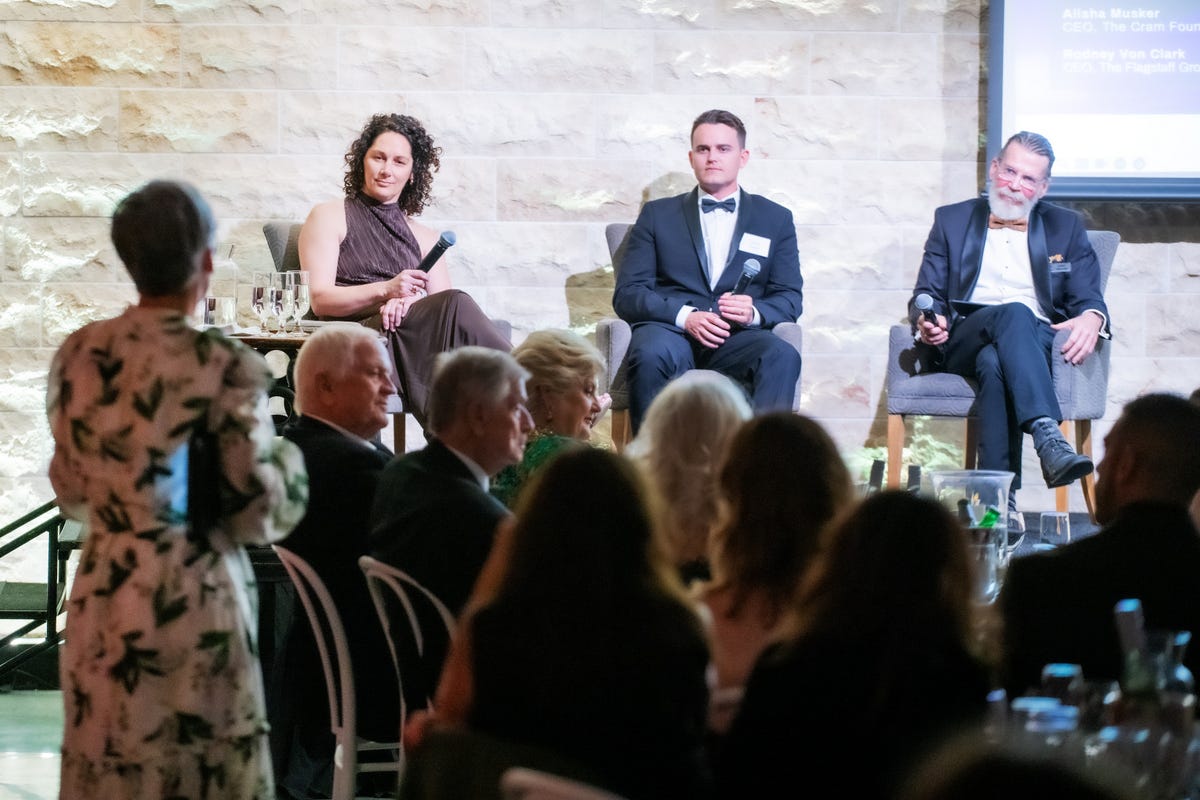
Three Illawarra Business Awards winners shared the difficult calls behind their success at The Illawarra Connection’s panel discussion.
The panel, led by Business Illawarra director Coralie McCarthy, brought together Specialised Energy Solutions CEO Aaron Mulhall, Cram Foundation CEO Alisha Musker and The Flagstaff Group CEO Rodney Von Clark.
Mulhall won Outstanding Young Business Leader for the second year in a row, Musker was named Outstanding Business Leader, and Flagstaff took out Excellence in Diversity and Inclusion.
During the event at City Beach on Tuesday, October 13, they shared what it takes to grow a business, make difficult calls and earn the trust of the people they lead.
Mulhall’s expansion into energy infrastructure meant investing before there was any guarantee of a return.
He described moving from a small technical business into delivering utility infrastructure projects across the country, investing in people, equipment and systems to support the shift.
“We learned to invest in the systems that are ahead of the growth. Putting a lot of money in people, equipment, systems and operational processes is a big financial setback immediately … with the concept of a long-term goal or a long-term stability within the industry.”
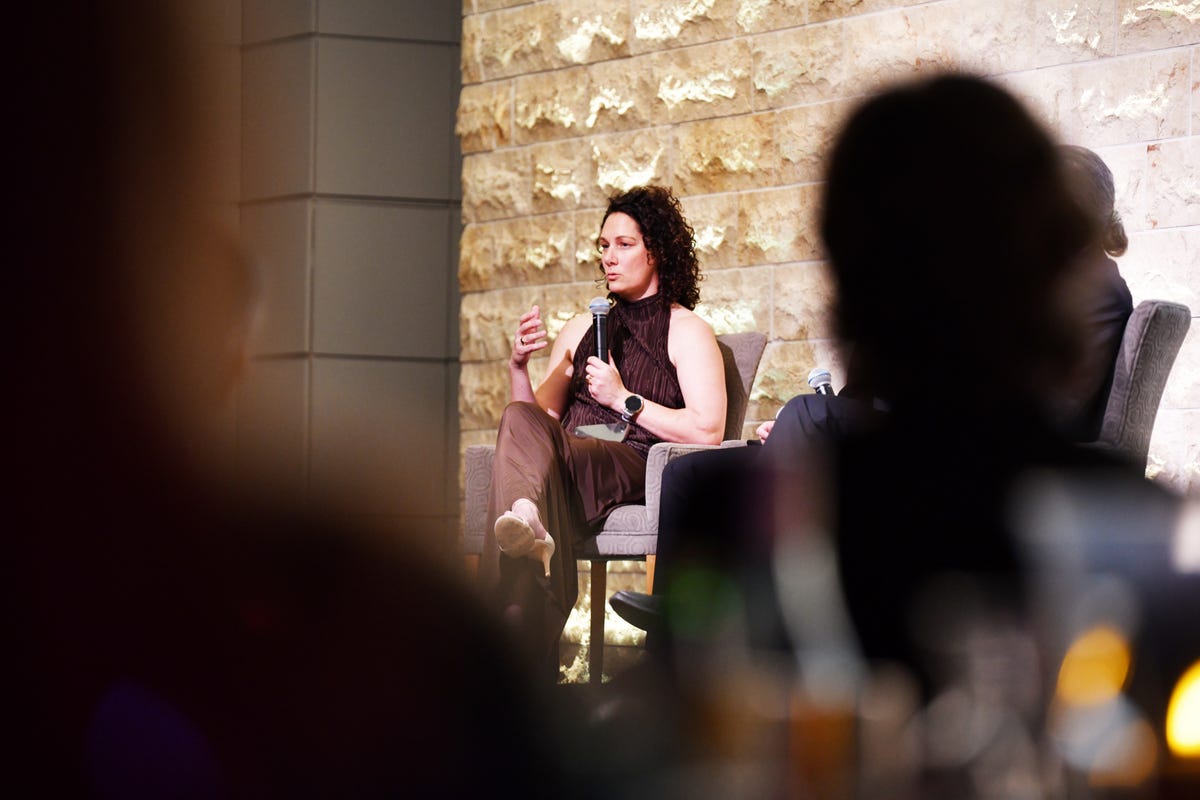
He said as the business grew, those investments gave it the capacity to deliver.
“The business has scaled very quickly,” Mulhall said. “We’re operationally capable to support that.”
Mulhall said he also had to loosen his grip on decision-making.
Putting capable people in key positions, with clear limits on their authority and ways to seek support, allowed him to step away from daily operations and concentrate on the company’s direction.
Musker, one of the hardest leadership decisions was knowing when to say no.
“A responsible no is more honourable than a failed yes,” she said.
Cram’s work supporting people with disability meant an unrealistic promise could have serious consequences for the person relying on it.
Musker said the organisation looked for ways to make support possible, but had to recognise the limits of its staffing, funding and resources.
Her approach is shaped by personal experience. Musker’s teenage daughter has a disability, and she said she assessed the organisation’s decisions by considering whether she would be happy for her daughter to live there.
She described the difficult conversation of sitting with a participant who wanted to know how often he could leave home if his funding was reduced.
The participant was going out five days a week, and Musker could not give him a certain answer about what would happen next.
Staff would naturally want to find ways to keep those outings going, she said. But leaders also had to protect employees from burnout and ensure the organisation could sustain its services.
Von Clark faced his own defining decision after the Boxing Day 2024 fire at Flagstaff’s Unanderra headquarters.
He said the organisation could have relied on its business interruption insurance, leaving employees stood down while it planned its recovery.
Instead, it activated its business continuity plan and resumed services to aged care customers within two weeks.
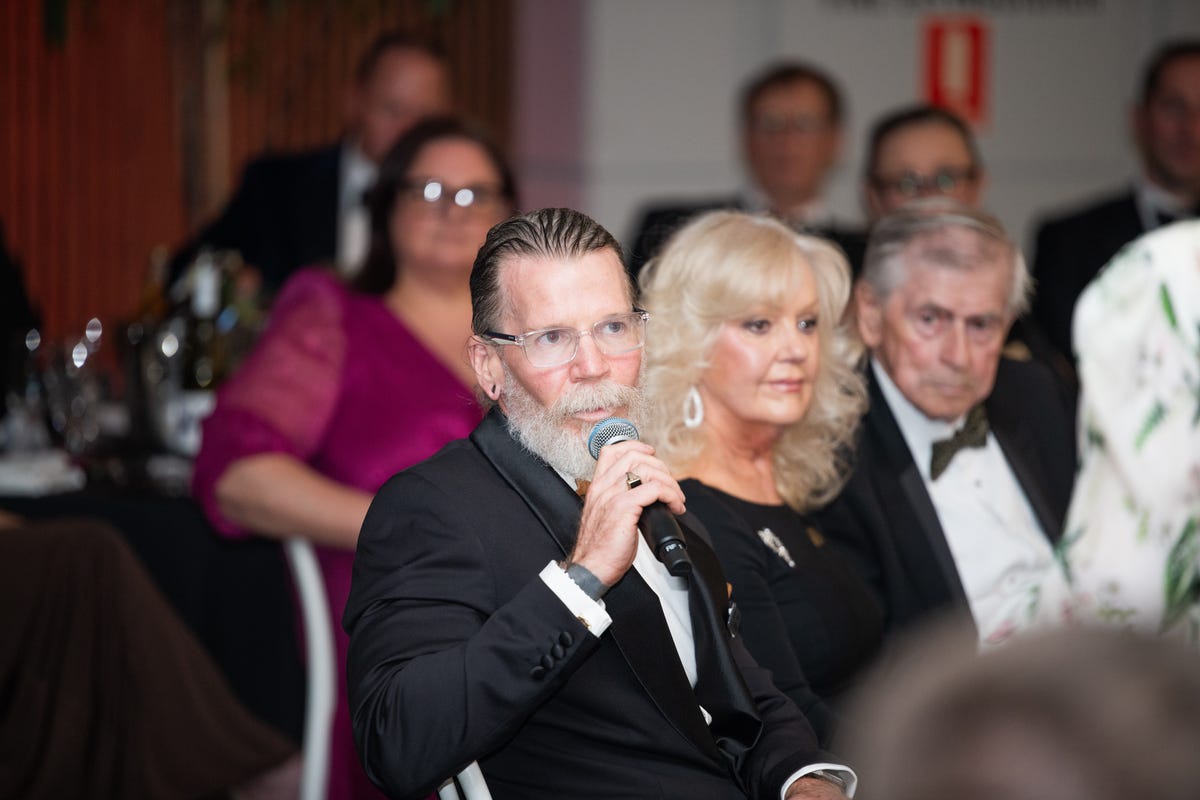
Getting employees back to work was central to the response.
Von Clark said meaningful employment gave people more than an income. It provided routine, connection with workmates and somewhere to belong.
But delivering that purpose also required a profitable business, allowing Flagstaff to reinvest and keep providing opportunities.
Musker said workplace culture was built in the moments when employees most needed their leaders.
At Cram, that included supporting staff after the deaths of participants, some of whom had been connected to the organisation for decades.
She described visiting homes, making cups of tea and sitting with grieving employees. The organisation paused public-facing activities to acknowledge the loss.
Those everyday decisions helped build the trust needed when the organisation later asked staff to navigate change.
“It’s the little things that you do every single solitary day,” she said.
“It’s quite often in the moment that you don’t think you’re in control that you’re determining that culture. You have to be depositing into that every single solitary day as a leader to then have your people show up in the moments that matter.”
The Illawarra Connection’s next dinner is on Tuesday, December 1, where Nadine Champion will challenge people to rethink how they approach fear, change and adversity.
You can find out more here.