


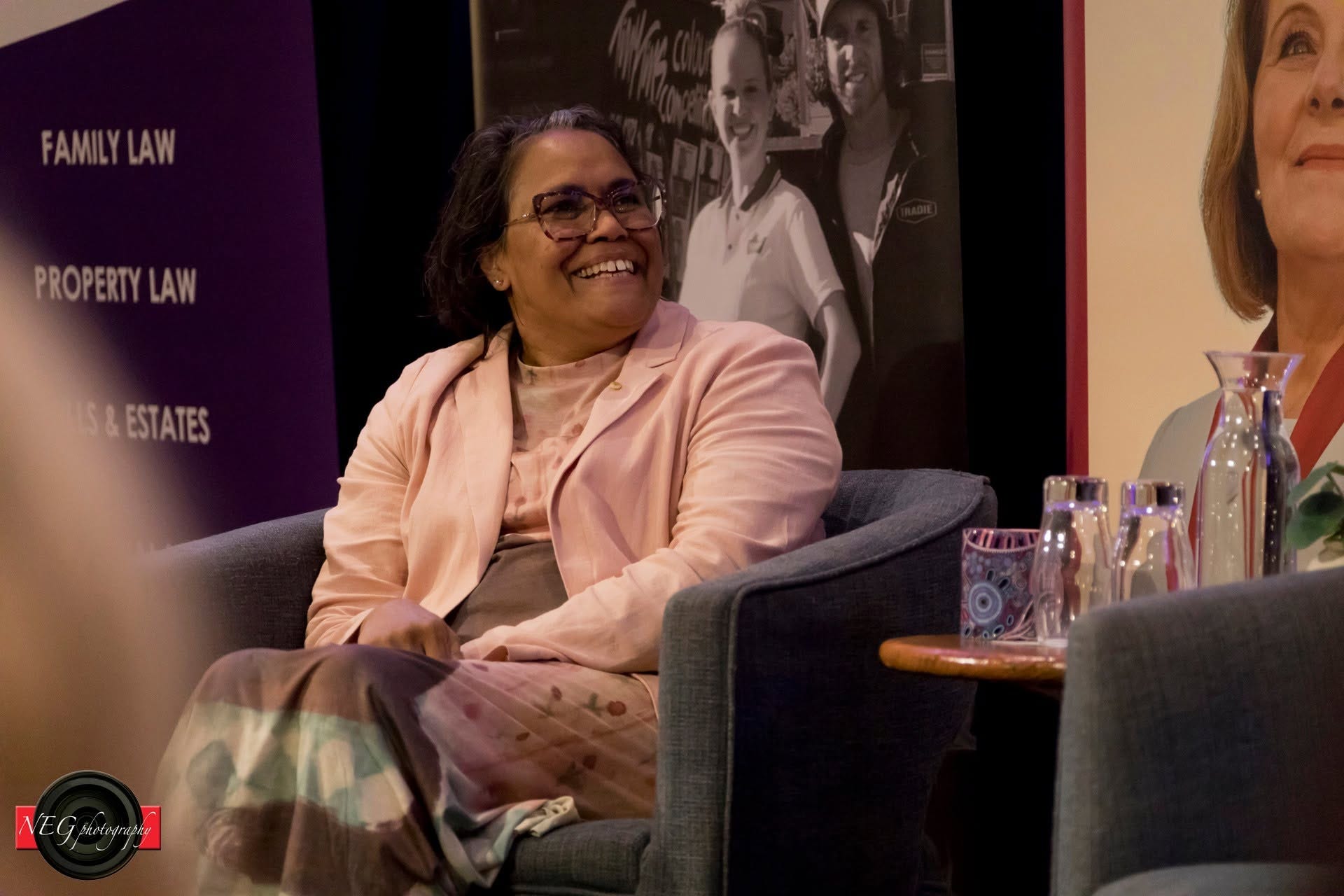
When Cathy Freeman speaks about pressure, she knows what it means to carry a nation’s hopes.
At the Sydney 2000 Olympics, she stepped onto the track in front of a home crowd, ran the 400 metres and won gold. Then she took a victory lap carrying both the Australian and Aboriginal flags - an image that remains part of the country’s story.
More than 350 guests came to hear Freeman at the Illawarra Women in Business event at Novotel Wollongong North on November 27.
She urged the women in the room to hold on to what makes them happy, stand by their values and give themselves time to rest.
“Running has always made me happy,” she said. “I was not prepared to give up that happiness.”
Freeman knows the public sees the medals and the defining moments. But she told the audience that, before the Sydney final, she was frightened.
“It’s really frightening and you get very scared,” she said. “The fear is OK. It’s normal, it’s natural. But once I got out I went into a dream state. I couldn’t hear anybody.”
She said she kept her focus on her coach’s instructions and tried not to get caught up in the emotion around her.
She offered similar advice to women facing pressure in their own lives: remember what matters to you, and speak up if something doesn’t feel right.
“It’s important to keep sight of what makes you happy and not to compromise on your personal values,” she said. “If there’s ever a feeling of misalignment with a leader or a role model, it’s important to use your voice.”
Watch Cathy Freeman win the 400m at Sydney Olympics:
Freeman’s connection to her Kuku-yalanji and Birri-gubba heritage has been a source of strength throughout her career. She spoke of the pride she feels in her ancestors, family and community, and the grounding that comes from knowing where you belong.
“I’ve always been very proud of where I come from and the community that I belong to,” she said. “I think you have more chance of success if you bring all of you.”
Asked whether carrying both flags on her victory lap was instinctive, Freeman said it came from the heart. “I’ve always had great pride in my ancestors, my ancestral line, my lineage,” she said. Her connection to her Kuku-yalanji and Birri-gubba heritage, family and community has remained a source of strength throughout her life.
Freeman was making history before the Sydney Olympics. At 16, she became the first Indigenous Australian woman to win Commonwealth Games gold. She won two more golds at the 1994 Games, took Olympic silver in 1996 and became 400 metres world champion in 1997 and 1999.
But one of her earliest steps towards the track came at school. Freeman was so shy she hid in the toilets to avoid a race. Her teacher, Mrs Baldry, found her and told her to get to the starting line.
“Without that one nudge from Mrs Baldry, I may not have overcome my shyness,” she said.
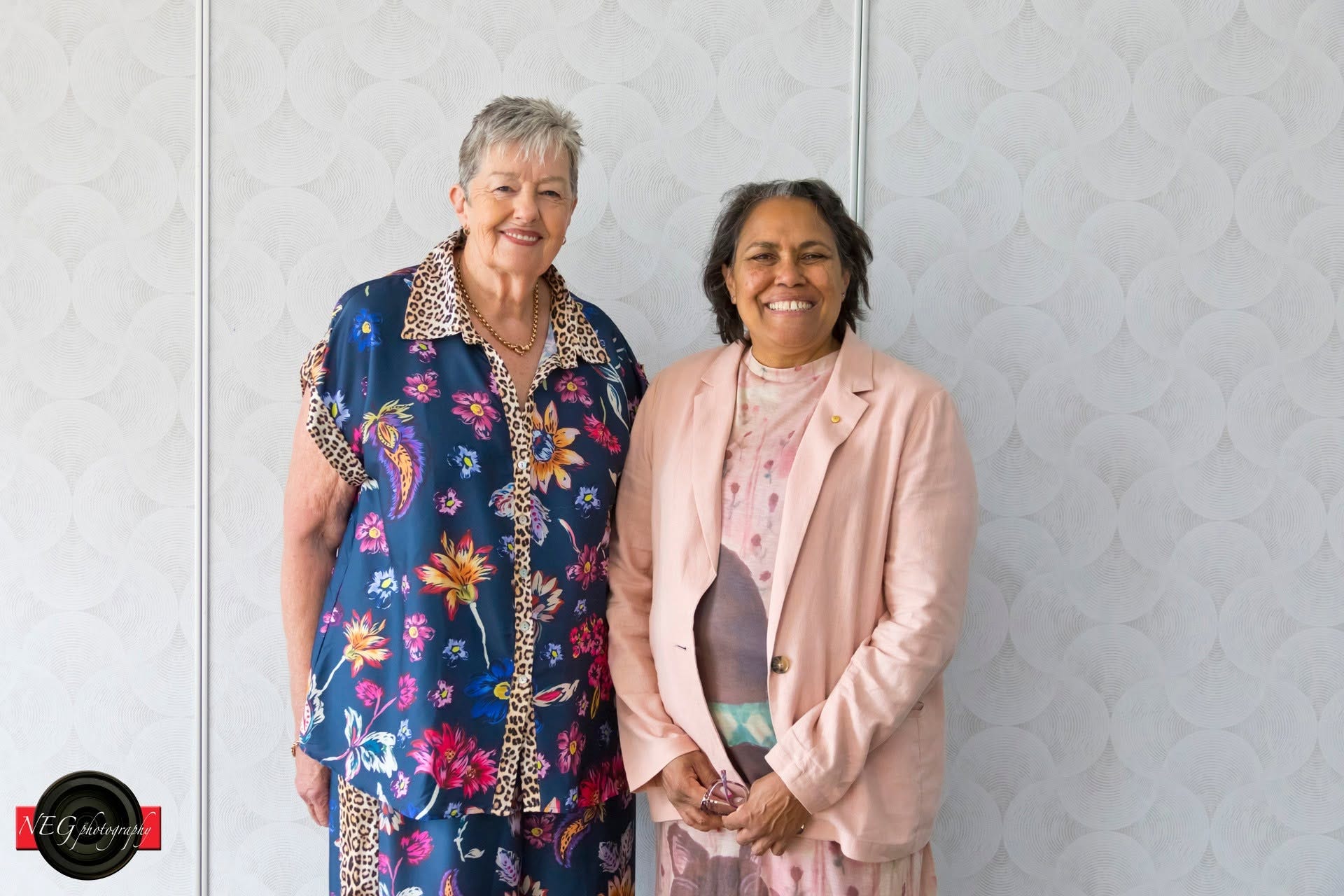
Some familiar faces were in the room, and Kylie Hanigan, Freeman’s former sprint teammate, now based in the Illawarra, asked how she had managed the difficult periods in her career.
Freeman said setbacks can teach you about yourself, even when they are painful.
“I know that this challenge is going to refine my nature,” she said. “I’m going to learn more about who I am.”
She urged the audience to lean on others, describing sport as “a great equaliser” and success as something built by athletes, coaches, families and communities together.
Women, she said, can push themselves too hard.
“The rest is the work,” she said, speaking about the need to recover, take a mental break and reset.
Freeman founded the Cathy Freeman Foundation in 2007, now called Murrup, to support Aboriginal and Torres Strait Islander children and young people. She said if people have the ability to make a difference, they should use it.
“If you’re alive and upright, that’s enough of a platform,” she said. “If you can, you should.”