


NSW Health Minister Ryan Park has praised the work of Australia’s first long-term trauma recovery centre for women, saying equitable healthcare for vulnerable women was “deeply, deeply important” as the Illawarra service maps out its next three years.
But despite the strong endorsement, no new funding commitment was announced as Minister Park launched the Illawarra Women’s Trauma Recovery Centre’s first Strategic Plan in Shellharbour on Friday, September 11.
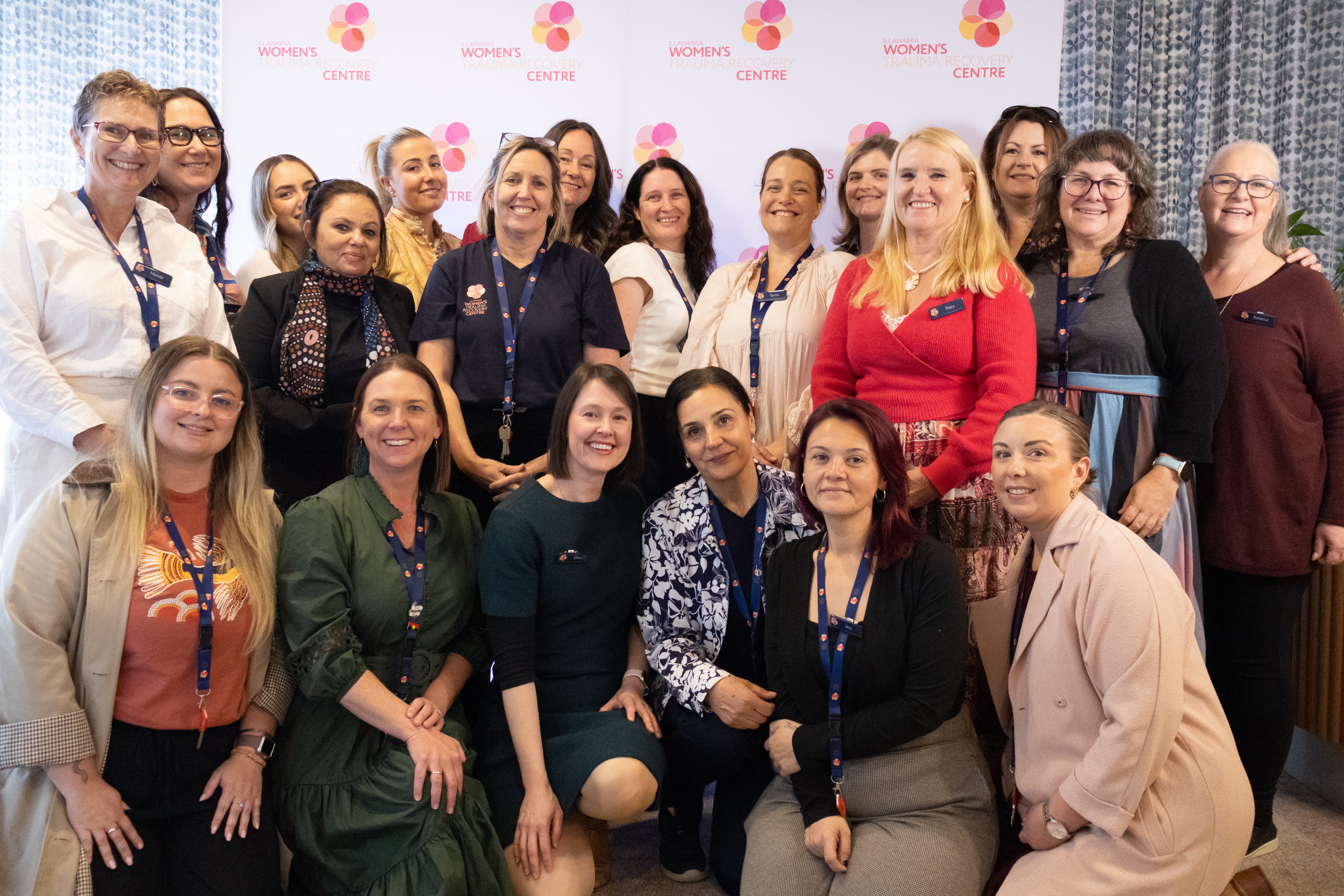
The launch, also attended by Federal Member for Whitlam Carol Berry, Member for Shellharbour Anna Watson, not-for-profit sector leaders and women who use the Centre’s services, heard that more than 300 women have accessed the Centre since it began operating in 2024.
Its plan for the next three years is to strengthen the service locally while developing a model that could be replicated across NSW and Australia.
Minister Park, who is also Member for Keira, said he held strong views about women’s ability to access appropriate healthcare.
“I’m a proud feminist. I have very, very strong views about the right for women to access equitable healthcare, particularly some of the most vulnerable women in our community,” he said.
“But that doesn’t mean much [if] people on the ground aren’t delivering those services.”
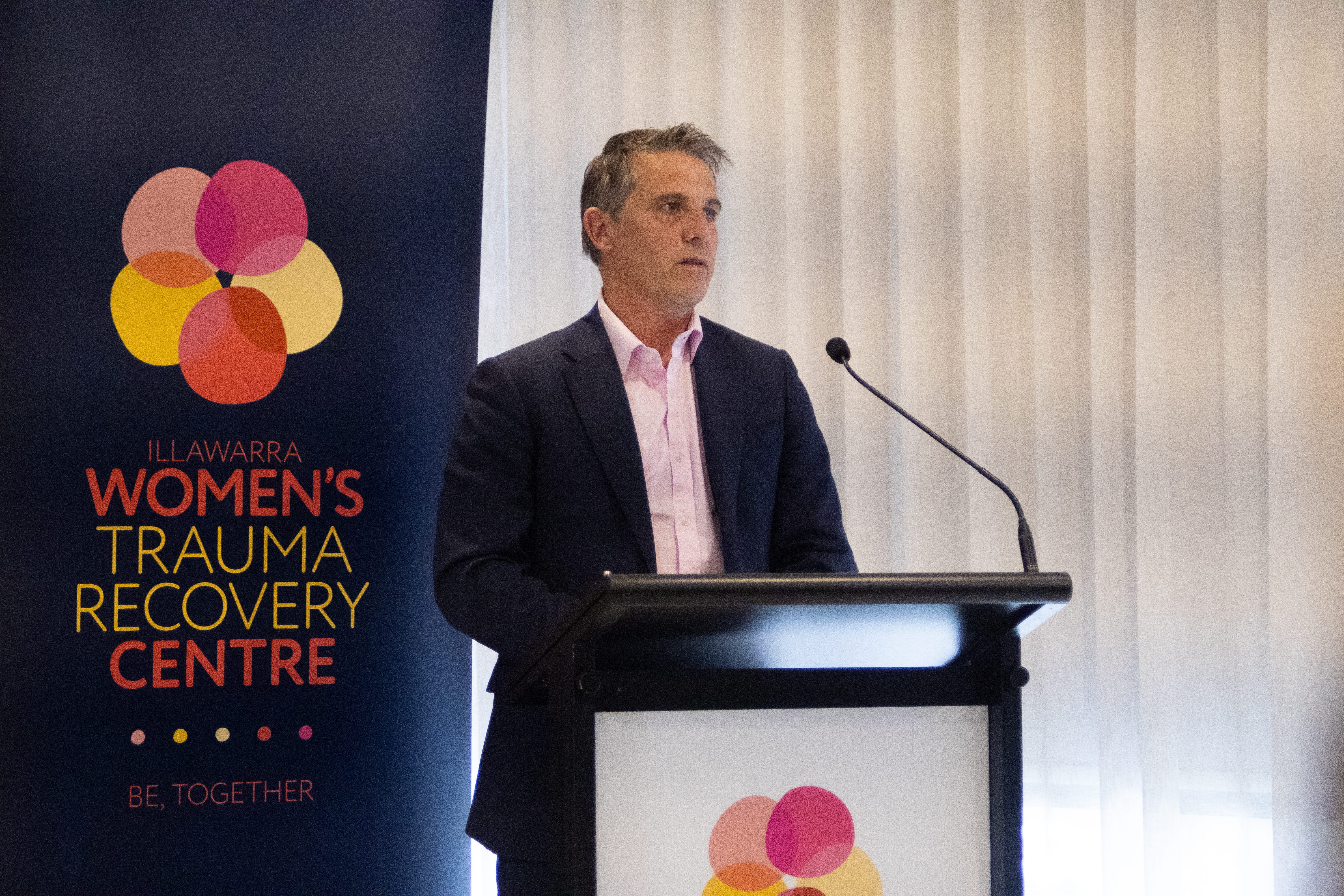
He paid tribute to the Centre’s staff and the women with lived experience who helped design it, saying their work changed the trajectory not only for women experiencing violence, but for their families and children.
“What you do matters,” he told staff.
Faith Labaro, who has been part of the Centre’s co-design and lived experience advisory group since before the Centre was built, said the model addressed many of the difficulties she experienced trying to find help.
Ms Labaro recalled seeking support for herself and her six children through different services, often in places offering little privacy and requiring her to repeatedly recount what had happened.
“For most of us, there was nothing like this,” she said.
Women involved in designing the Centre were asked what would have made their own recovery easier, with their input shaping everything from its services to its lighting, furniture, website and physical layout.
“Crisis money keeps a woman alive. Recovery gives her a life back,” Ms Labaro said.
“You need it all in one place, like this. Counselling, financial education, legal help, wellness, all under one roof.”
But demand is already putting pressure on the service, with women waiting about three months for support.
“Three months feels like an eternity when you need help,” Ms Labaro said.
“What we’re building here was never meant to stay here. We need more places like this.”
The Centre grew from work begun by the Illawarra Women’s Health Centre in 2017 to address the lack of integrated, long-term support for women recovering from domestic, family and sexual violence.
Its new strategy is built around four priorities – sustainability, advocacy, client services and its people – including securing the Centre’s future and building the evidence needed to take its model further.
CEO Elise Phillips said growing demand showed trauma recovery needed to be treated as an essential part of the response to domestic, family and sexual violence.
“Safety is essential, but that is not the end of the journey,” she said.
“For many women and children, the impacts of violence continue long after the immediate danger has passed.”
Ms Phillips said the latest NSW Bureau of Crime Statistics and Research data showed the Illawarra recorded the highest two-year increase in domestic and family violence-related assault in NSW, up 12 per cent.
“Trauma recovery must be treated as core infrastructure, not as an optional extra,” she said.
The first pillar of the new strategy is sustainability, with the Centre identifying “stable funding” as part of ensuring the long-term viability of both the service and its model of care.
Member for Shellharbour, Anna Watson backed the Centre’s proposals, agreeing that the model should be rolled out across Australia.
“I do believe that centres like this should be like libraries. They should just be everywhere,” she said.
“I won’t stop advocating for the money … because this is so important to all of our communities.”