Locked out: How bureaucracy is driving the Illawarra’s older women into homelessness
Housing's 'wicked problem' revealed

The Illawarra’s property sector is often dominated by zoning debates, development pipelines, and interest rate pressures. Beneath the surface a severe structural failure is changing our demographic landscape.
Homelessness across the Illawarra, Shoalhaven, and Eurobodalla is not the stereotyped rough sleeper, but rather older people - particularly, older women.
The intersection of regional housing insecurity and a highly rigid aged-care bureaucracy has created a critical policy bottleneck, says Natasha Debsieh, manager of IRT Group’s Age Matters initiative.
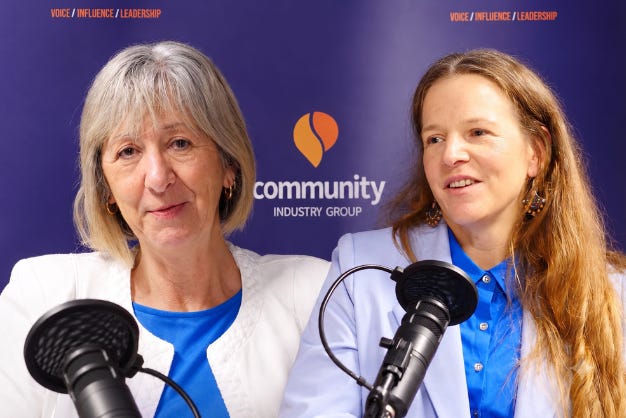
Speaking with Community Industry Group’s CEO Nicky Sloan on the Community Matters Podcast, Ms Debsieh also spoke about the compounding realities of housing displacement and the increasing prevalence of hoarding and squalor have created what she bluntly describes as “a wicked problem”.
The operational friction within the federal My Aged Care system, which is intended to be a safety net but which often acts as a barrier to entry, was also laid bare. The systemic flaws are glaring, she said: lengthy waiting times, the stark limitations of phone-based bureaucratic assessments, and an application journey so convoluted it requires external intervention.
“We are there to assist the amazing people that we work with to apply for, to access and to go through the journey of My Aged Care,” Ms Debsieh said.
For policy-makers and professionals monitoring regional stability, this highlights a deep structural flaw: a welfare apparatus so complex that vulnerable individuals require what Ms Debsieh calls an “inspiring, relentless, persistent” team of advocates just to secure basic provisions.
The women agreed the problem. was more than a social welfare issue, but rather is a structural economic challenge.
Age Matters advocates for a “housing first” approach: providing stable, suitable accommodation as the foundation for living well, before trying to tackle other health and social needs. For this to happen, moving from. a rigid, phone-based bureaucracy and toward face-to-face support was essential, Ms Debsieh said.
Listen to the full podcast here