Why this Shellharbour broker thinks your mortgage should reflect your values
A growing number of borrowers are looking beyond interest rates.
This content is sponsored by Dandy Loans.
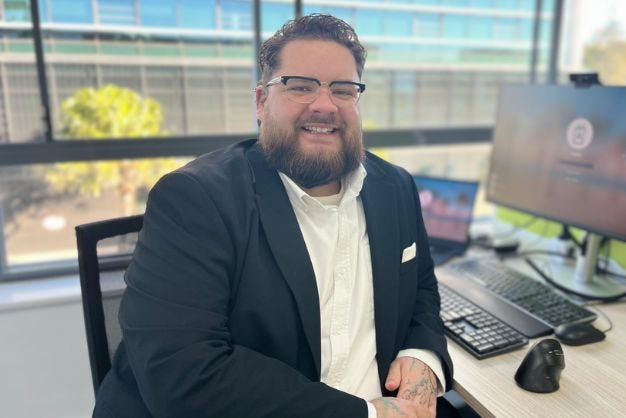
Conor Workman doesn’t dream of building Australia’s biggest mortgage brokerage. He dreams of building a dog sanctuary.
The founder of Shellharbour-based Dandy Loans talks about rescue dogs with the same enthusiasm most entrepreneurs reserve for growth targets.
There’s the 16-year-old dog whose owner died and spent her final months with him and his husband. The four foster dogs they couldn’t bear to give back. And the vision for a sanctuary where elderly and hard-to-home dogs can live out the rest of their lives in comfort.
That ambition is also what inspired Dandy Loans.
Workman believes a growing number of borrowers are bringing the same values-based approach to home loans that they’ve already applied to their superannuation.
“People have already started that journey with their superannuation. Home loans are just behind,” he said.
While mortgages are still largely judged on price, Workman believes more borrowers want to understand what their bank finances and where it invests its money.
His clients – many working in healthcare, government and the not-for-profit sector – have often already switched to ethical super funds or begun those conversations with their financial adviser.
“They’ve already switched to an ethical super fund or started having those conversations with their financial planner.”
Rather than simply comparing interest rates and loan features, Workman researches lenders’ exposure to issues such as fossil fuel financing and workplace gender equality before presenting clients with a side-by-side comparison.
His “Clean Money Method” draws on independent databases, mandatory reporting and annual reports to separate measurable performance from marketing claims.
“Early on I realised I couldn’t just rely on what companies were saying about themselves,” he said.
“If I can’t verify something with data, I treat it as undisclosed.”
Dandy Loans wasn’t born out of a business plan. It grew from Workman’s own frustration after working in mainstream finance.
“I felt like I was part of a big machine that wasn’t very personable,” he said.
What started as a side project gradually became a full-time business as he realised more Australians were asking the same questions he was.
For Workman, success is one day opening the gates to Dandy Dogs – a rescue and rehabilitation sanctuary for dogs and farm animals, with a special place for elderly dogs that often struggle to find a second chance.
“It’s not about world domination,” he said.
“I just want to make people and their dogs as happy as we can.”
Five questions to ask if you’re considering an ethical home loan
Ethical lending means different things to different borrowers. Dandy Loans founder Conor Workman says the first step is understanding what matters to you, then asking how your lender measures up.
Where does the bank invest and lend?
If climate change is important to you, ask what industries the bank finances and whether it has exposure to sectors such as fossil fuels. Other borrowers may be interested in different areas, depending on their priorities.
What evidence sits behind its sustainability claims?
Look for publicly available information rather than relying solely on marketing. Independent reports, annual reports and mandatory disclosures can provide a clearer picture of a bank’s activities.
How does it treat its people?
Workman says workplace gender equality data is another useful indicator, with larger employers required to publicly report on gender pay and workforce composition.
What matters most to you?
Some borrowers prioritise environmental issues, while others are more concerned about workplace practices, social outcomes or animal welfare. Being clear about your own values can help narrow the field.
How does your broker assess ethical lenders?
Ask what sources they use and how they verify claims. “The first thing I would ask is what ethical screeners they’re using to make sure they’re not just falling for greenwashing,” Workman said.


